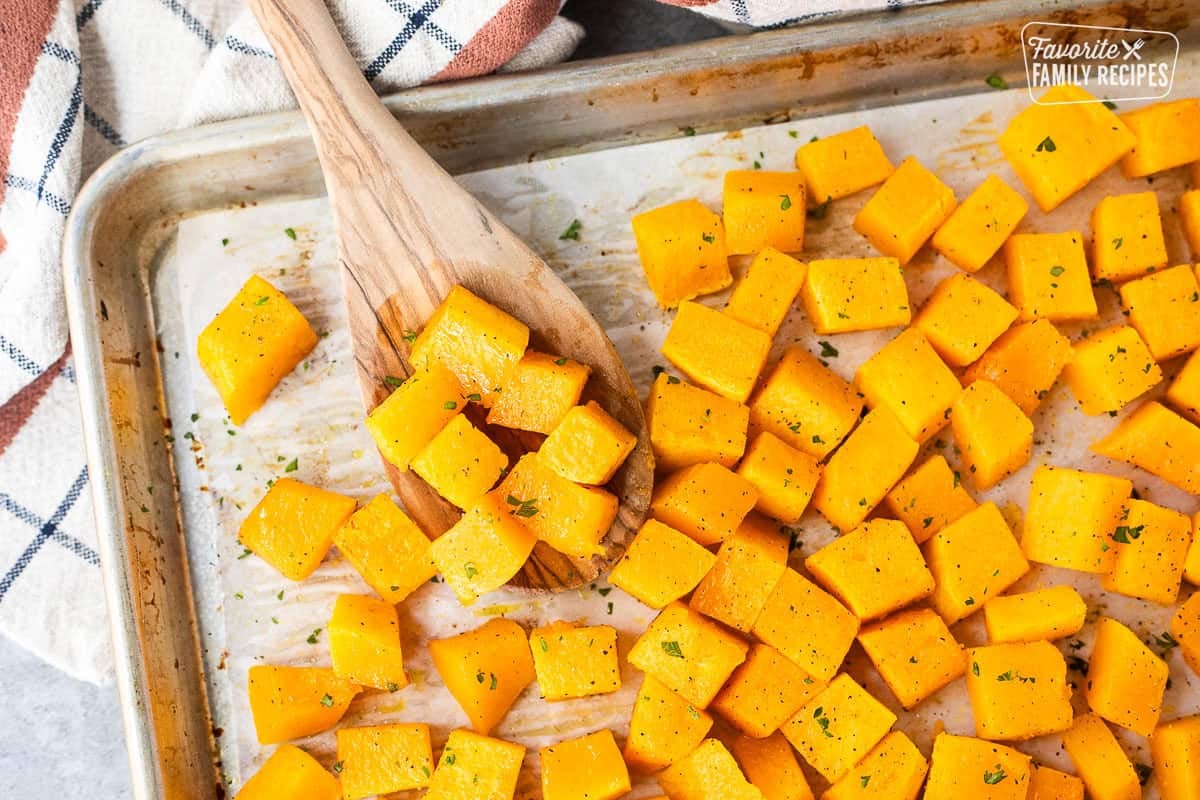
Butternut squash. It’s a quintessential symbol of autumn, gracing tables with its vibrant hue and comforting flavor. While it often finds its way into warming soups or purees, there's an undeniable magic that happens when this versatile gourd meets the heat of an oven. Transforming from a humble root vegetable into a golden-brown, caramelized delight, roasted butternut squash is a culinary chameleon. It's simple enough for a quick weeknight meal, yet elegant enough to star as a show-stopping side dish at your most festive gatherings. Forget complicated preparations; this article will guide you through the effortless art of creating perfectly roasted butternut squash, turning an everyday ingredient into something truly special.
The Magic of Roasted Butternut Squash: Why it's a Must-Try
Roasted vegetables are a staple in many kitchens, and for good reason—they’re generally low-effort, high-reward. But butternut squash truly shines when roasted, transforming into a golden-brown, tender delight. Why is roasting the best method?
- Unleashes Natural Sweetness: The high heat of the oven caramelizes the sugars within the squash, deepening its inherent sweetness and adding rich, nutty notes that simply boiling or steaming can't achieve.
- Develops Irresistible Texture: Roasting creates tender, almost creamy interiors with deliciously browned, slightly crisp edges. It’s a textural contrast that’s incredibly satisfying.
- Versatility Personified: As mentioned, perfectly roasted butternut squash isn’t just a side dish. Its sweet and savory profile makes it a fantastic addition to fall salads, hearty grain bowls, creamy risottos, or even as a base for a lighter pasta sauce. It offers a comforting sweetness that complements both savory meats and vibrant vegetarian dishes.
The basic technique is incredibly straightforward, making it an ideal entry point for anyone new to cooking or looking for a reliable, healthy option.
From Simple to Spectacular: Elevating Your Roasted Butternut Squash
While a minimalist approach to roasting butternut squash with just olive oil, salt, and pepper is incredibly effective and delicious – think of it as the comfortable leggings of roasted vegetable recipes – there are times when you crave something a little more special. That's when a few thoughtful additions can transform your simple roasted butternut squash into an elegant culinary statement. The fundamental method still begins with olive oil, salt, and pepper, but to truly elevate it, consider this harmonious trio:
- Maple Syrup: A touch of pure maple syrup deepens the natural sweetness of the squash and aids in achieving that beautiful, glossy caramelization on the exterior. It imparts a warm, woodsy note that is quintessentially autumnal.
- Cinnamon: This spice is a game-changer. Cinnamon infuses the squash with a warm, inviting aroma and a subtly spiced flavor that pairs beautifully with the maple. The reference context notes that the cinnamon flavor can be quite bold. If you're a cinnamon enthusiast, you might enjoy a generous dash. However, if you prefer a more understated spice, start with half the recommended amount (e.g., 1/2 teaspoon for a standard squash) and adjust to your taste.
- Fresh Rosemary: Added towards the end of roasting or immediately after, fresh rosemary introduces an aromatic, earthy counterpoint to the sweetness. Its piney notes cut through the richness and add a sophisticated freshness that makes the dish feel incredibly refined.
This combination of sweet, spiced, and herbaceous elements turns an ordinary side into something truly memorable, perfect for holiday meals like Thanksgiving or any festive gathering where you want to impress with minimal fuss. For an even deeper dive into this festive approach, explore our guide on Maple Cinnamon Roasted Butternut Squash for Fall & Holidays.
Mastering the Prep: How to Cut Butternut Squash Like a Pro
The biggest hurdle for many home cooks when it comes to butternut squash isn't the cooking itself, but the initial preparation. Its hard rind and awkward shape can be intimidating. But fear not! With a few simple tools and techniques, you’ll be dicing like a seasoned chef in no time.
Here's a step-by-step guide to safely and efficiently prepare your butternut squash for roasting:
- Gather Your Tools: You'll need a sturdy chef’s knife, a reliable vegetable peeler (a Y-peeler often works best for its ergonomic grip), and a stable cutting board (consider placing a damp cloth underneath to prevent slipping).
- Stabilize and Trim: Place the squash horizontally on your cutting board. Carefully slice off both ends – about 1/2 to 1 inch from the top and bottom. This creates flat surfaces, making the squash more stable.
- Peel with Ease: Stand the squash upright on one of its flat ends. Using your vegetable peeler, carefully peel the hard outer skin from top to bottom, rotating the squash as you go. Apply firm, consistent pressure. The reference context highlights this as the easiest peeling method, and for good reason – it's efficient and safe.
- Halve and Deseed: Lay the peeled squash on its side and carefully cut it in half lengthwise. Use a sturdy spoon to scoop out the seeds and fibrous strands from the bulbous end.
- Dice Uniformly: Now, you can slice the squash into planks, then cut those planks into uniform cubes (typically 3/4 to 1-inch pieces are ideal for roasting). Uniformity in size is key for even cooking.
Can you eat the skin of roasted butternut squash?
This is a common question. While the skin of butternut squash is technically edible, especially if roasted until very tender, its texture can remain tough and fibrous, detracting from the overall eating experience. Most recipes, including this one, recommend peeling for the best results. However, if you're feeling adventurous and achieve a wonderfully tender, edible skin, we'd love to hear your secrets! For more detailed insights on preparing and roasting this delicious gourd, check out our guide on Perfect Roasted Butternut Squash: Prep & Roasting Secrets.
Tips for Perfectly Roasted Butternut Squash Every Time
Achieving that coveted golden-brown, tender-crisp result isn't difficult, but a few key principles will ensure your roasted butternut squash is consistently excellent.
- Don’t Crowd the Pan: This is perhaps the most crucial tip for any roasted vegetable. If you pack too many squash cubes onto a single baking sheet, they will steam instead of roast. This results in soft, pale squash rather than caramelized, flavorful pieces. Use two baking sheets if necessary, ensuring the squash is in a single layer with a little space between each piece.
- High Heat is Your Friend: A consistent oven temperature of 400°F (200°C) is ideal for roasting butternut squash. This high heat promotes caramelization and ensures the squash cooks through relatively quickly.
- Evenly Coated: Ensure every piece of squash is lightly coated in olive oil and seasonings. This promotes even browning and flavor distribution. A large bowl and your hands are often the best tools for this job.
- Flip for Evenness: While not strictly necessary, giving the squash a good stir or flip halfway through the roasting time (around the 15-20 minute mark) can help ensure all sides get a chance to caramelize.
- Know When It's Done: Roasted butternut squash is ready when it's fork-tender and beautifully golden brown, with some caramelized edges. Total roasting time typically ranges from 20 to 30 minutes, depending on the size of your cubes and your oven's calibration.
Beyond being a delicious side, roasted butternut squash is incredibly versatile in other dishes:
- Salads: Add cooled roasted squash to a bed of mixed greens with goat cheese, pecans, and a vinaigrette for a hearty fall salad.
- Grain Bowls: Combine with quinoa or farro, roasted chickpeas, and a tahini dressing for a wholesome meal.
- Soups & Stews: While the reference mentions making soup from scratch, pre-roasted cubes can be added to broths or pureed into creamy soups for extra depth of flavor.
- Pasta Dishes: Toss with pasta, sage, brown butter, and a sprinkle of Parmesan for a comforting vegetarian main.
From its daunting exterior to its naturally sweet and tender interior, butternut squash offers a culinary journey that’s both rewarding and delicious. Roasting transforms this autumn favorite into a dish that's incredibly flexible – equally at home on a bustling weeknight table or as the star of a festive holiday spread. Whether you stick to the simple elegance of olive oil, salt, and pepper, or elevate it with warming maple syrup, cinnamon, and fragrant rosemary, perfectly roasted butternut squash is a testament to how effortless it can be to create extraordinary flavor. So, grab a squash, brave the peel, and prepare to delight your senses with this truly easy and special dish.
