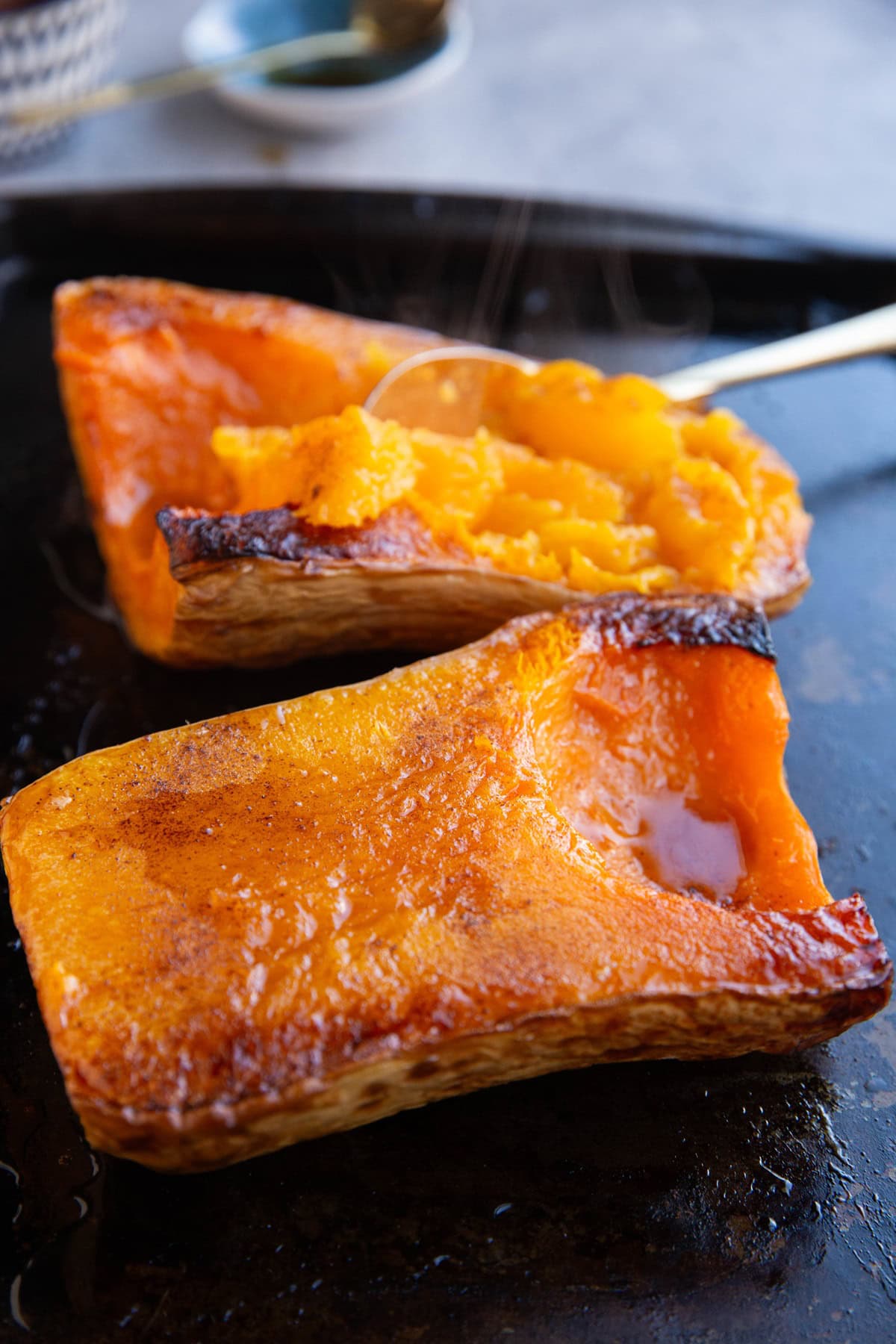
Embrace Autumn Flavors with Maple Cinnamon Roasted Butternut Squash
As the leaves turn golden and a crisp chill fills the air, our kitchens often follow suit, embracing the comforting, warm flavors of the season. Among the star ingredients of fall and the approaching holidays, butternut squash shines brightly. While often relegated to basic roasting with just salt and pepper, this vibrant winter squash holds the potential for something truly special. This recipe for Maple Cinnamon Roasted Butternut Squash elevates a simple side dish into an elegant, show-stopping creation, perfect for a cozy weeknight meal or a festive holiday spread. Imagine tender, caramelized squash infused with the sweetness of maple syrup, the warmth of cinnamon, and the aromatic kiss of fresh rosemary – it's a dish that not only nourishes but also celebrates the spirit of the season.
Why Maple Cinnamon Roasted Butternut Squash is Your New Holiday Favorite
We've all been there – relying on the quick and easy weeknight roasted vegetables. A drizzle of olive oil, a sprinkle of salt and pepper, 400°F for twenty minutes, and done. It's effective, efficient, and undeniably convenient. But what about those moments when you crave something more? When friends and family gather, or when you simply want to make a weeknight dinner feel a little more *magical*? That's precisely where this maple cinnamon roasted butternut squash recipe steps in.
This isn't just another roasted vegetable; it's a culinary experience. The simple additions of pure maple syrup, fragrant cinnamon, and a finishing touch of fresh rosemary transform ordinary butternut squash into a dish that boasts a complex flavor profile. The natural sugars in the squash, combined with the maple syrup, caramelize beautifully in the oven, creating tender, golden-brown edges bursting with sweetness. Cinnamon adds that quintessential autumnal warmth, making every bite feel like a hug, while the fresh rosemary introduces an unexpected yet delightful herbaceous counterpoint that cuts through the sweetness and adds an elegant, festive flair. It's a harmonious blend of sweet, savory, and aromatic notes that will have everyone asking for the recipe.
The Magic of Roasting: Unlocking Butternut Squash's Full Potential
Roasting is, without a doubt, the superior method for cooking butternut squash, and here are three compelling reasons why:
- Unrivaled Flavor Development: High heat roasting brings out the natural sweetness of the butternut squash, concentrating its flavors as moisture evaporates. The sugars present in the squash, especially when enhanced by maple syrup, undergo caramelization, creating a depth of flavor that other cooking methods simply cannot achieve. This Maillard reaction is responsible for those coveted golden-brown, slightly crispy edges and a richer, more profound taste.
- Perfect Texture Transformation: Unlike boiling or steaming, which can leave squash watery and bland, roasting yields a wonderfully tender interior with a slight textural bite on the outside. The heat breaks down the starches, resulting in a buttery, melt-in-your-mouth consistency that is incredibly satisfying.
- Effortless Elegance: Despite its sophisticated outcome, roasting butternut squash is remarkably hands-off. Once prepped and seasoned, the oven does most of the work, freeing you up to focus on other dishes or simply relax. It’s the kind of dish that looks impressive but requires minimal fuss.
Mastering the Prep: How to Cut and Peel Butternut Squash
The intimidating exterior of a butternut squash often deters even seasoned home cooks. Its hard skin and awkward shape can seem like a formidable challenge. But fear not! With a few basic tools and the right technique, preparing butternut squash for roasting is much easier than it seems. For a more in-depth guide, check out our article on
Perfect Roasted Butternut Squash: Prep & Roasting Secrets.
Here’s the most straightforward method:
- Stabilize and Trim: Start by placing the squash horizontally on a sturdy cutting board. Carefully trim off both ends – the stem and the base – to create flat surfaces. This makes the squash much more stable and safer to handle.
- Peel with Ease: Stand the squash upright on one of its trimmed, flat ends. Using a sharp vegetable peeler, systematically peel away the tough outer skin. Work from top to bottom, rotating the squash as you go, until all the orange flesh is exposed. The vegetable peeler method is widely considered the easiest and most efficient way to peel butternut squash, avoiding the dangers of using a large knife for this task.
- Halve and Deseed: Lay the peeled squash on its side. Carefully slice it in half lengthwise. You'll notice the seeds and fibrous strands clustered in the bulbous end. Use a spoon, ice cream scoop, or a sharp edge of a sturdy spoon to scoop out all the seeds and stringy bits.
- Chop into Cubes: Once peeled and deseeded, place each half cut-side down on the cutting board. Slice into uniform planks, and then dice these planks into approximately 1-inch (2.5 cm) cubes. Consistency in size is key for even roasting, ensuring every piece cooks through at the same rate.
A common question arises:
Can you eat the skin of a roasted butternut squash? While technically safe to consume after roasting, the skin tends to remain tough and fibrous, detracting from the otherwise tender texture of the squash. For the best culinary experience, peeling the squash is highly recommended.
Crafting Your Maple Cinnamon Roasted Butternut Squash
Now for the exciting part – bringing these incredible flavors together! This recipe is deceptively simple, yet the results are truly gourmet.
Ingredients You'll Need:
- 1 medium butternut squash, peeled, deseeded, and cut into 1-inch cubes
- 2 tablespoons olive oil
- 2 tablespoons pure maple syrup (grade A or B for richer flavor)
- 1 teaspoon ground cinnamon (adjust to your preference)
- 1/2 teaspoon sea salt
- 1/4 teaspoon black pepper
- 2 sprigs fresh rosemary, leaves finely chopped (about 1 tablespoon)
Step-by-Step Roasting Instructions:
- Preheat Oven: Preheat your oven to 400°F (200°C). Line a large baking sheet with parchment paper for easy cleanup and to prevent sticking. A large sheet ensures the squash can be spread in a single layer.
- Combine Ingredients: In a large bowl, combine the cubed butternut squash, olive oil, maple syrup, cinnamon, salt, and pepper. Toss well until all the squash cubes are evenly coated. The goal is a light, glistening coat on each piece.
- Spread and Roast: Spread the seasoned butternut squash in a single layer on the prepared baking sheet. Avoid overcrowding, as this will steam the squash rather than roast it, preventing proper caramelization. If necessary, use two baking sheets.
- Roast to Perfection: Roast for 20-30 minutes, flipping the squash halfway through (around the 10-15 minute mark) to ensure even cooking and browning on all sides. The squash is ready when it's fork-tender and beautifully caramelized with golden-brown edges.
- Finish with Rosemary: Remove the baking sheet from the oven. Immediately sprinkle the chopped fresh rosemary over the hot roasted squash and toss gently. The residual heat will warm the rosemary, releasing its fragrant oils.
- Serve Warm: Transfer the maple cinnamon roasted butternut squash to a serving dish and serve warm.
A Note on Cinnamon Intensity:
The cinnamon in this recipe is designed to be quite prominent, creating a wonderfully bold fall flavor. If you, like many, appreciate a pronounced spice, 1 teaspoon will be perfect. However, if you prefer a more subtle cinnamon whisper, consider reducing the amount to 1/2 teaspoon. This small adjustment allows you to tailor the dish perfectly to your palate. This versatility makes it an excellent choice for any meal, from a simple weeknight dinner to a grand holiday feast. For more on creating versatile butternut squash dishes, check out
Easy Roasted Butternut Squash: Simple Side or Special Dish.
Serving Suggestions & Creative Variations
This Maple Cinnamon Roasted Butternut Squash is a fantastic standalone side dish, but its versatility extends far beyond.
*
Holiday Feast Staple: It's an ideal companion for roasted turkey, ham, or chicken, offering a bright, sweet, and savory contrast to richer main courses.
*
Elevated Weeknight Meal: Serve it alongside grilled salmon, pork tenderloin, or even a hearty vegetarian lentil loaf for an instantly elevated dinner.
*
Salad Booster: Add cooled roasted squash cubes to fall-inspired salads with mixed greens, goat cheese, pecans, and a balsamic vinaigrette.
*
Grain Bowl Delight: Incorporate it into quinoa or farro bowls with roasted chickpeas, kale, and a tahini dressing.
*
Sweet & Savory Add-ins: For extra texture and flavor, consider adding a handful of chopped pecans or dried cranberries to the squash during the last 5-10 minutes of roasting. A sprinkle of crumbled feta cheese just before serving also offers a delightful tangy counterpoint.
*
Spice it Up: Experiment with other warm spices like a pinch of nutmeg, allspice, or even a tiny dash of cayenne pepper for a subtle kick.
Conclusion
This Maple Cinnamon Roasted Butternut Squash recipe offers a delightful blend of simplicity and sophistication. It takes a humble winter vegetable and transforms it into a caramelized, tender, and deeply flavorful dish that embodies the warmth and bounty of fall and the festive spirit of the holidays. Whether you're aiming to impress guests or simply elevate your everyday cooking, this recipe promises to deliver a truly memorable culinary experience. Don't let the hard exterior of the squash deter you; the sweet, spiced, and aromatic reward is absolutely worth it. Embrace the season, gather your ingredients, and enjoy the delicious journey of creating this exquisite dish.