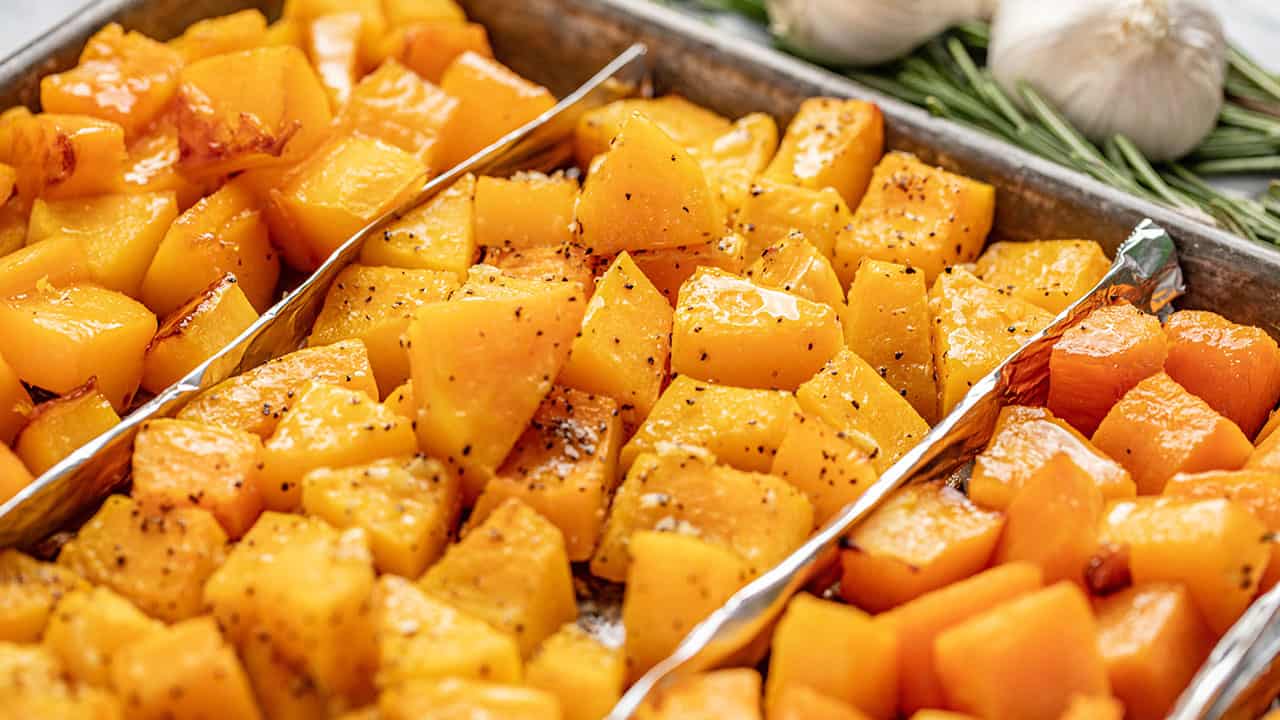
As the leaves begin to turn and a crispness fills the air, few ingredients capture the essence of autumn quite like the humble butternut squash. Its vibrant orange hue and sweet, nutty flavor make it a beloved seasonal staple. But while it can be intimidating for some to tackle, mastering the art of making perfect roasted butternut squash transforms this hearty vegetable into a culinary delight that’s both effortlessly simple for a weeknight meal and elegant enough for the most festive occasions. Forget the days of struggling with tough skin and unevenly cooked cubes; we're about to unlock the secrets to a truly irresistible roasted butternut squash, from prep to plate.
The Allure of Roasted Butternut Squash: Why It's a Kitchen Essential
Why choose roasting as your go-to method for butternut squash? The reasons are plentiful, making it a true kitchen hero. Roasting, in essence, is a magical process. It brings out the natural sugars within the squash, leading to a beautiful caramelization on the edges and a deeply flavorful, tender interior. Unlike boiling or steaming, which can sometimes leave squash watery and bland, roasting concentrates its flavors, giving it a depth that’s unmatched.
Beyond its incredible taste, roasted butternut squash is remarkably versatile. It can stand alone as a simple yet satisfying side dish, seasoned with just olive oil, salt, and pepper. This basic approach, often cooked at 400°F for around 20-25 minutes, is the culinary equivalent of your most comfortable leggings – reliable, effective, and always a good choice. For more on this everyday delight, read our guide on Easy Roasted Butternut Squash: Simple Side or Special Dish.
But its appeal doesn't stop at simplicity. Roasted butternut squash also offers a canvas for more elaborate flavor profiles, making it worthy of your most special gatherings. With just a few strategic additions, it transcends its humble origins to become a show-stopping dish your friends and family will rave about. It’s also packed with nutritional benefits, rich in vitamins A and C, fiber, and antioxidants, making it a delicious way to boost your health.
Mastering the Prep: Peeling and Cutting Butternut Squash Like a Pro
For many, the biggest hurdle to enjoying fresh butternut squash is the perceived difficulty of preparing it. Its hard exterior and unique shape can certainly be intimidating, but with a few basic tools and a straightforward technique, you'll be slicing and dicing like a seasoned chef in no time.
Tools You'll Need:
- A sturdy cutting board (preferably one with grip to prevent slipping)
- A sharp chef's knife
- A good quality vegetable peeler
- A spoon or ice cream scoop
Step-by-Step Guide to Prep:
- Stabilize and Trim: Place the butternut squash on your cutting board. Using your sharp chef's knife, carefully slice off about a half-inch from both ends of the squash. This creates flat, stable surfaces, making the next steps much safer.
- Peel with Ease: This is where the vegetable peeler shines. While some methods suggest microwaving the squash briefly to soften the skin, we find that a sharp peeler is the most efficient and least messy approach. Start peeling from one end, working your way around the squash. Don't be afraid to apply a little pressure; the skin is tough. If you're struggling, a brief 1-2 minute microwave zap can indeed make the peeling slightly easier, but often isn't necessary with a good peeler.
- Halve and Seed: Once peeled, stand the squash upright on one of its flat ends. Carefully cut the squash in half lengthwise. You'll notice the seeds and fibrous strands in the bulbous bottom half. Use a spoon or ice cream scoop to thoroughly scrape out all the seeds and stringy bits.
- Dice Uniformly: Now, for the cutting. Lay the squash halves cut-side down. For roasting, uniform pieces are key to even cooking. Slice the squash into thick planks, then cut those planks into long strips, and finally dice the strips into roughly 1-inch cubes. Aim for consistency – this ensures every piece of your roasted butternut squash is perfectly tender and caramelized.
Can you eat the skin of roasted butternut squash? While technically edible and safe, the skin tends to remain tough and chewy even after roasting, which detracts from the otherwise delightful texture. For the best eating experience, especially for a dish where texture is paramount, we highly recommend peeling it.
From Simple to Spectacular: Roasting Butternut Squash Techniques
With your butternut squash perfectly prepped, it's time for the main event: roasting. Whether you're aiming for a quick and easy side or a dish that truly stands out, the roasting technique is similar, with just a few simple ingredient adjustments.
The Basic Roasting Method (The Weeknight Wonder):
- Preheat Oven: Preheat your oven to 400°F (200°C). This temperature is ideal for getting that lovely caramelization without burning the squash.
- Toss and Season: Place your 1-inch butternut squash cubes in a large bowl. Drizzle generously with 2-3 tablespoons of olive oil. Season with 1/2 to 1 teaspoon of sea salt and 1/4 teaspoon of freshly ground black pepper. Toss well to ensure every piece is lightly coated.
- Spread and Roast: Spread the seasoned squash in a single layer on a large baking sheet. Avoid overcrowding the pan; this is crucial for caramelization. If the squash is too crowded, it will steam instead of roast. Use two baking sheets if necessary.
- Roast to Perfection: Roast for 20-25 minutes, flipping the squash halfway through, until it's tender when pierced with a fork and beautifully golden brown and caramelized on the edges.
Elevating Your Roasted Butternut Squash (The Special Occasion Showstopper):
This is where the magic truly happens, transforming your squash into an elegant, festive dish. It starts with the basic method but adds a few key ingredients:
- Follow Basic Steps 1-2: Preheat your oven to 400°F (200°C). Place your butternut squash cubes in a large bowl and drizzle with olive oil, salt, and pepper.
- Add Flavor Enhancers: To this, add 2 tablespoons of pure maple syrup and 1 teaspoon of ground cinnamon (adjust to your preference – for a more subtle cinnamon flavor, start with 1/2 teaspoon). For a deeper, more aromatic experience, you can also add a pinch of nutmeg or ground ginger. Toss everything together until the squash is evenly coated.
- Roast as Above: Spread the coated squash in a single layer on a baking sheet (or two, to prevent crowding). Roast for 20-25 minutes, flipping halfway, until tender and deeply caramelized.
- Finishing Touch: Once out of the oven, immediately toss the hot roasted butternut squash with 1-2 tablespoons of fresh rosemary leaves, finely chopped. The heat will release the rosemary's fragrant oils, creating an exquisite aroma and taste.
For more detailed insights into creating this festive variant, explore our Maple Cinnamon Roasted Butternut Squash for Fall & Holidays guide.
Pro-Tip for Optimal Roasting: The key to truly perfect roasted butternut squash lies in achieving that golden-brown, slightly crispy exterior. Ensure your oven is fully preheated, don't skimp on the oil (it helps with crisping and flavor), and absolutely do not overcrowd your baking sheets. If your squash isn't caramelizing, it might be due to too much moisture trapped on the pan.
Beyond the Side Dish: Creative Ways to Enjoy Your Roasted Butternut Squash
While a simple bowl of roasted butternut squash is undeniably delicious on its own, its sweet and savory profile makes it an incredibly versatile ingredient that can elevate a myriad of dishes. Don't let your culinary creativity end at the side dish! Here are some ideas to integrate it into your meals:
- Hearty Salads and Grain Bowls: Add warm roasted butternut squash to a bed of mixed greens with goat cheese, candied pecans, and dried cranberries for a vibrant autumn salad. Or, combine it with quinoa or farro, black beans, avocado, and a zesty vinaigrette for a satisfying grain bowl.
- Comforting Soups and Stews: Once roasted, butternut squash can be effortlessly pureed into creamy soups, adding a rich, naturally sweet base. It also makes a fantastic chunky addition to lentil stews, chili, or even a simple vegetable broth.
- Pasta and Risotto Enhancer: Toss roasted butternut squash cubes with pasta, sage butter sauce, and a sprinkle of Parmesan for an easy yet elegant weeknight meal. It's also a delightful addition to a creamy fall risotto.
- Tacos and Wraps: Believe it or not, roasted butternut squash makes a fantastic vegetarian taco filling! Pair it with black beans, corn salsa, and a creamy avocado sauce for a unique and flavorful experience.
- Breakfast Boost: Dice smaller pieces and add them to a breakfast hash with potatoes, onions, and eggs, or fold them into a savory frittata.
- Pizzas and Flatbreads: Use thin slices or small cubes of roasted squash as a topping for pizzas or flatbreads, perhaps with caramelized onions, feta, and fresh herbs.
The possibilities are truly endless, limited only by your imagination. The natural sweetness of the squash, enhanced by roasting, makes it adaptable to both sweet and savory applications.
From the first confident cut to the final sprinkle of fresh rosemary, creating perfect roasted butternut squash is a rewarding culinary journey. What might seem like a daunting task quickly reveals itself as a straightforward process, yielding a dish that's as flexible as it is flavorful. Whether you opt for the simple elegance of olive oil and sea salt or embrace the festive flair of maple syrup and cinnamon, this humble winter squash is ready to impress. So, the next time you spot that beautiful, bell-shaped squash at the market, don't hesitate. Grab it, roast it, and savor the rich, caramelized goodness that will undoubtedly become a staple in your kitchen.
